
Bali Architects
Balinese Architectural Style
Tradition, materiality, and climate response in contemporary Balinese architecture.
More Than a Style. A Way of Living
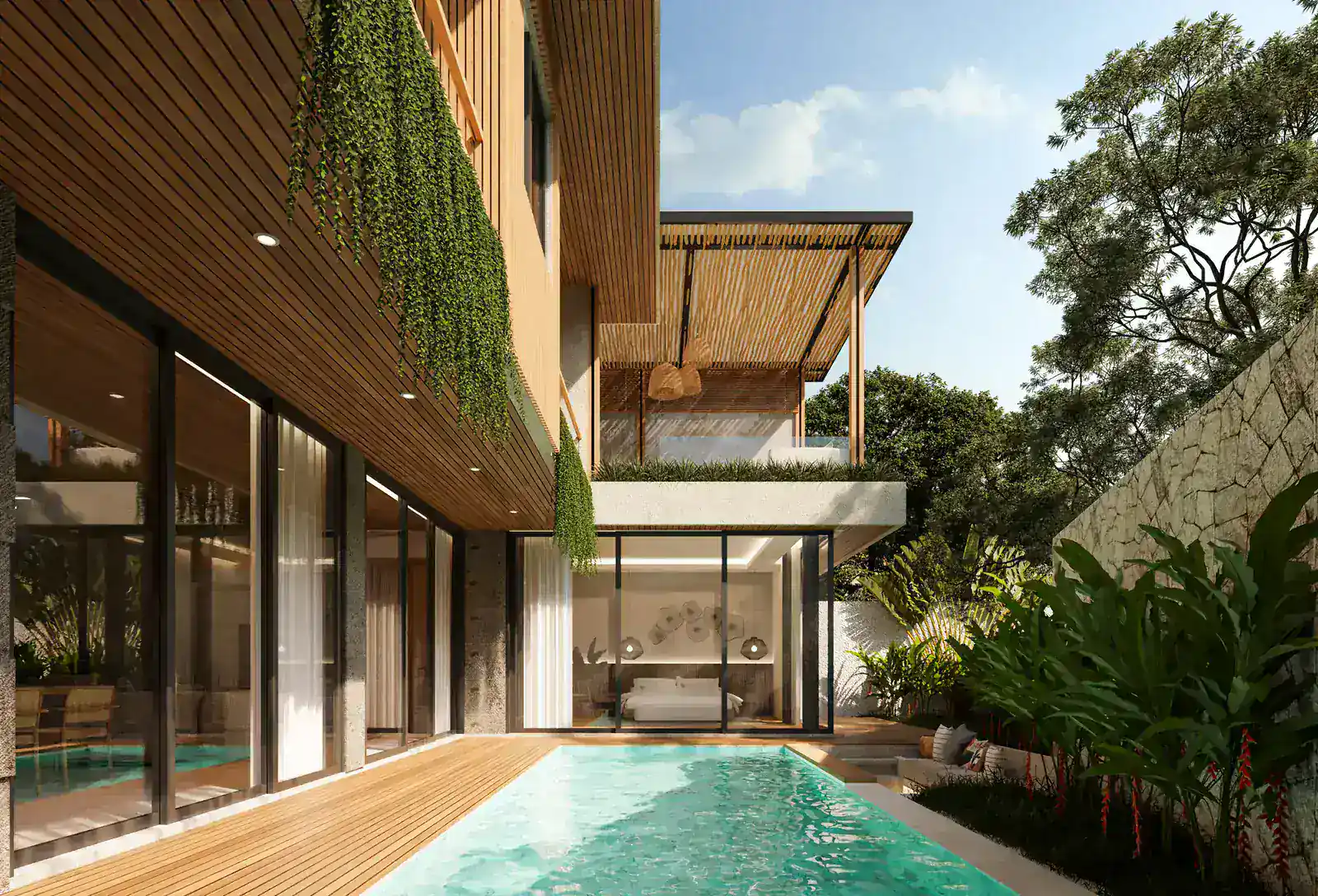
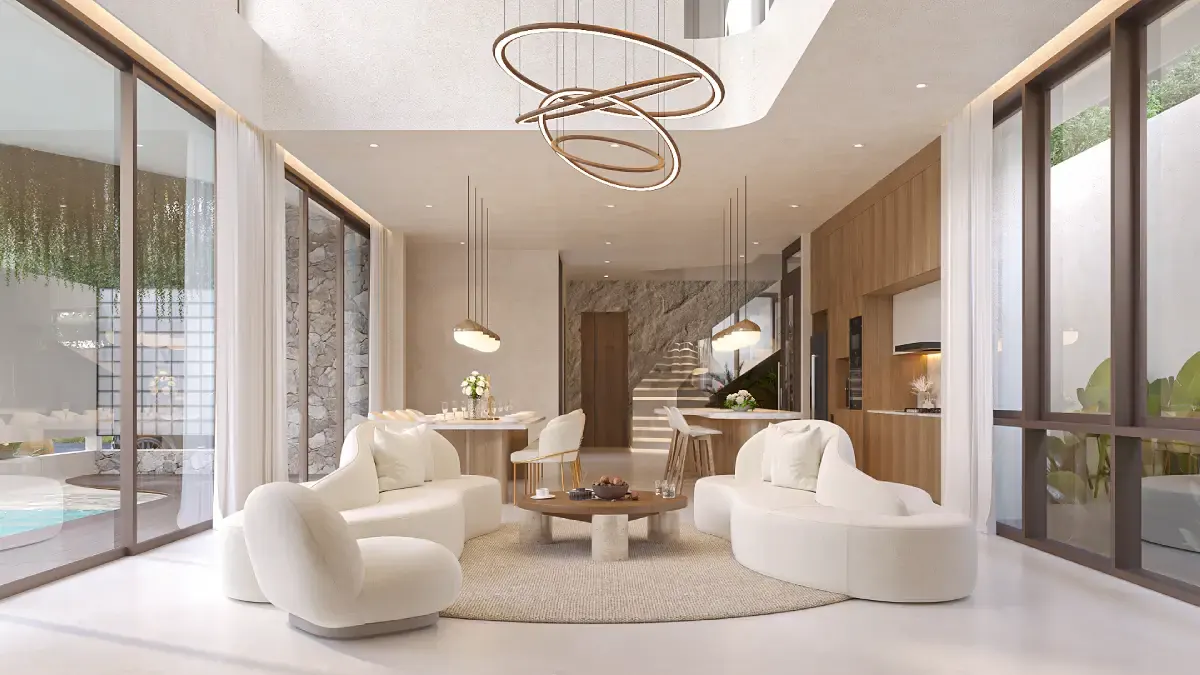
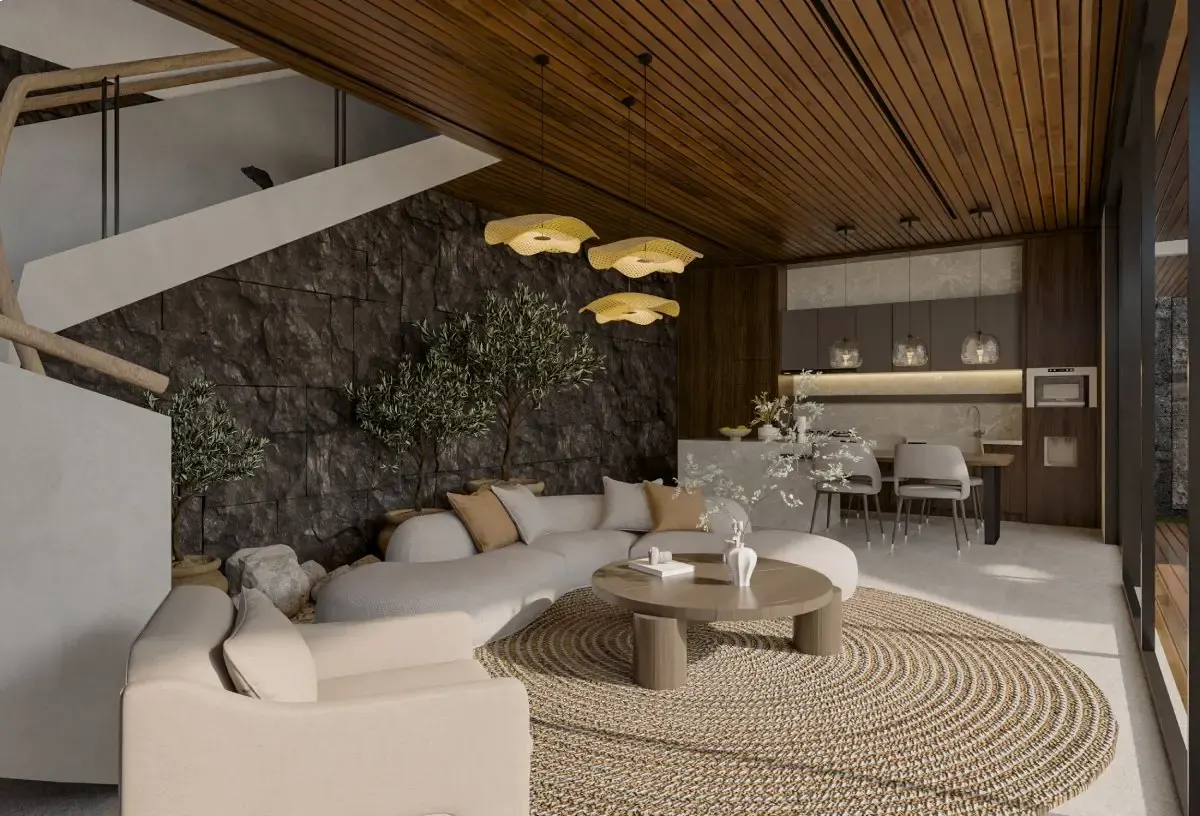
Balinese architecture is shaped by climate, culture, and materiality. Open layouts respond to tropical conditions. Spatial planning follows Tri Hita Karana, the balance between spirit, people, and nature.
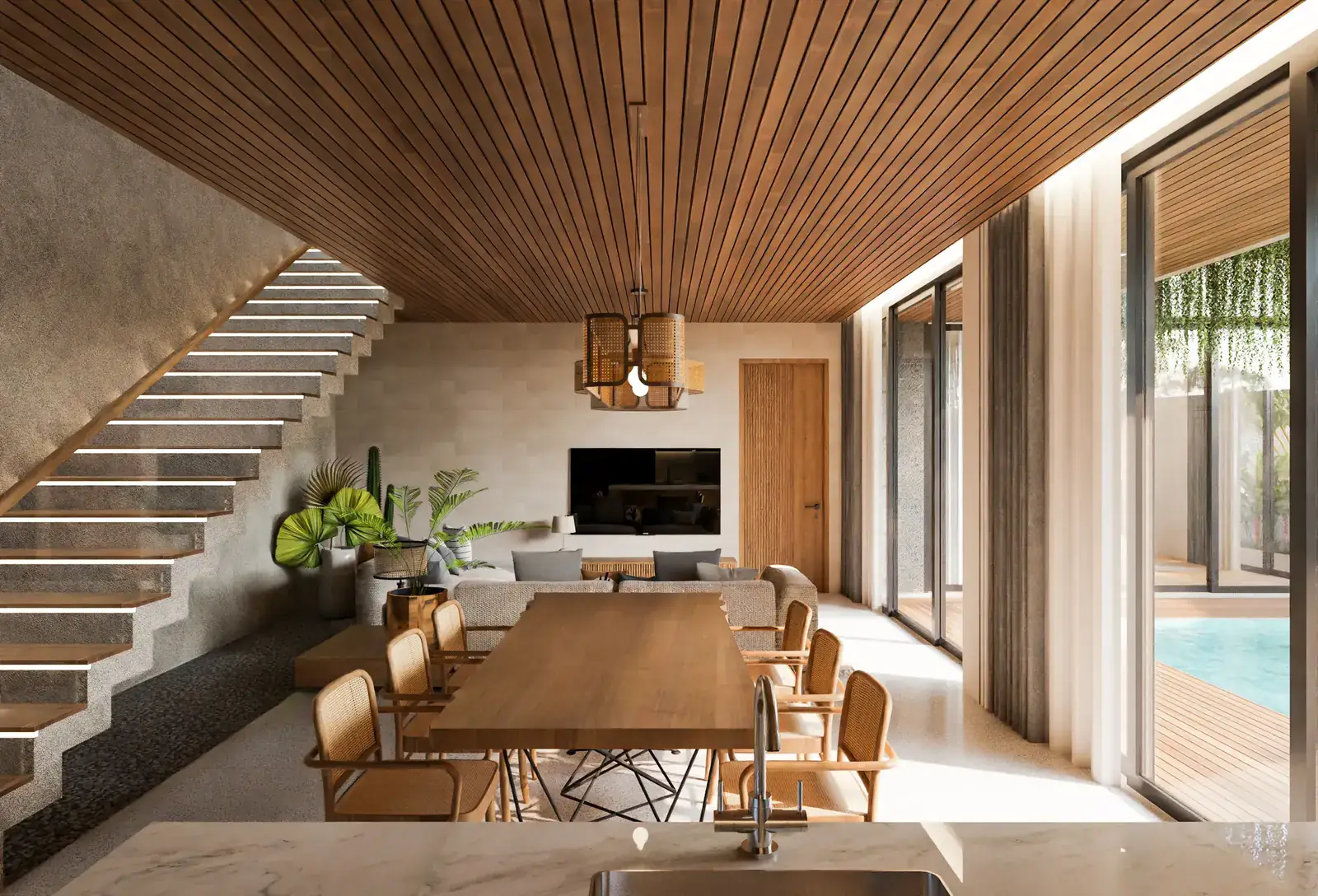
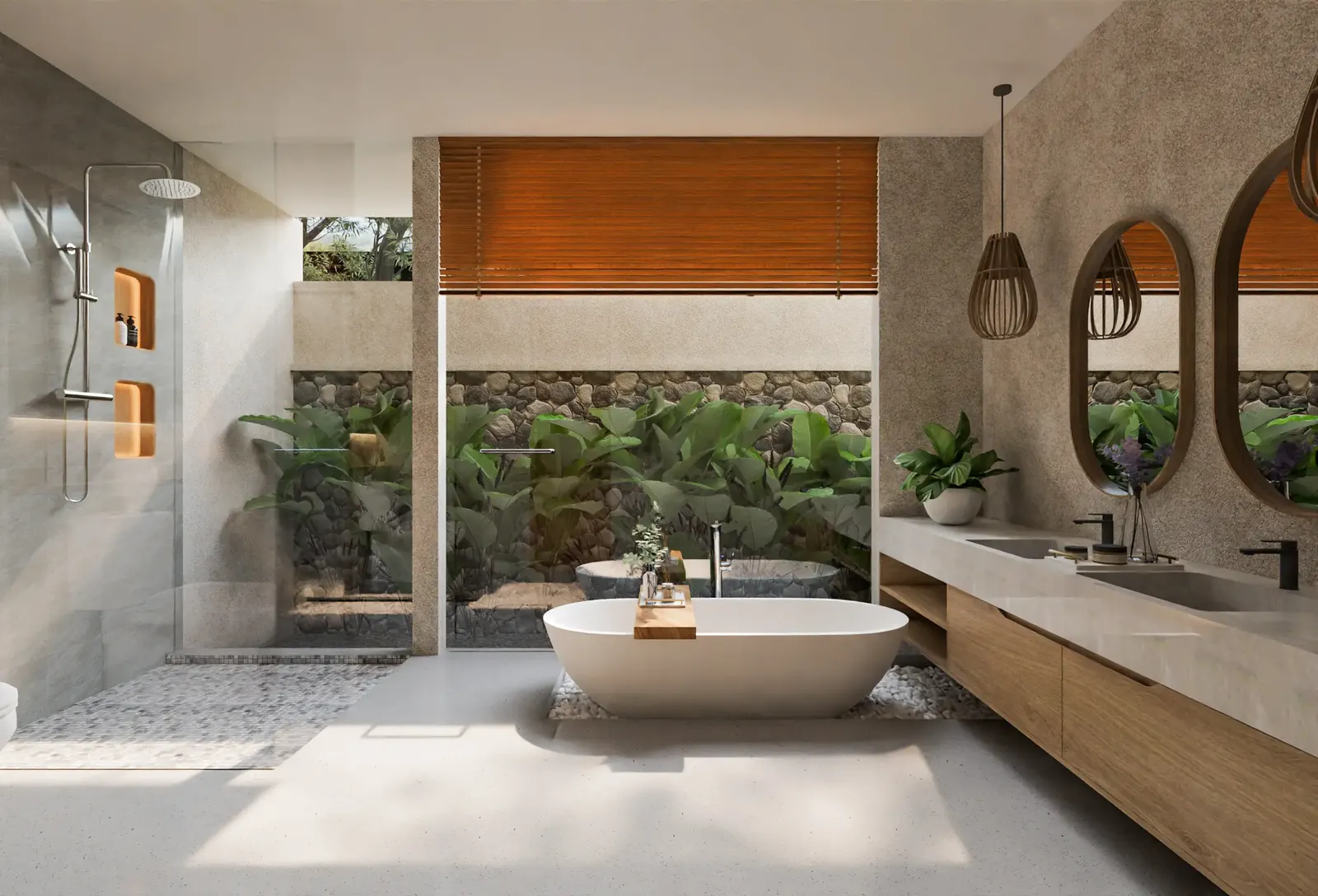
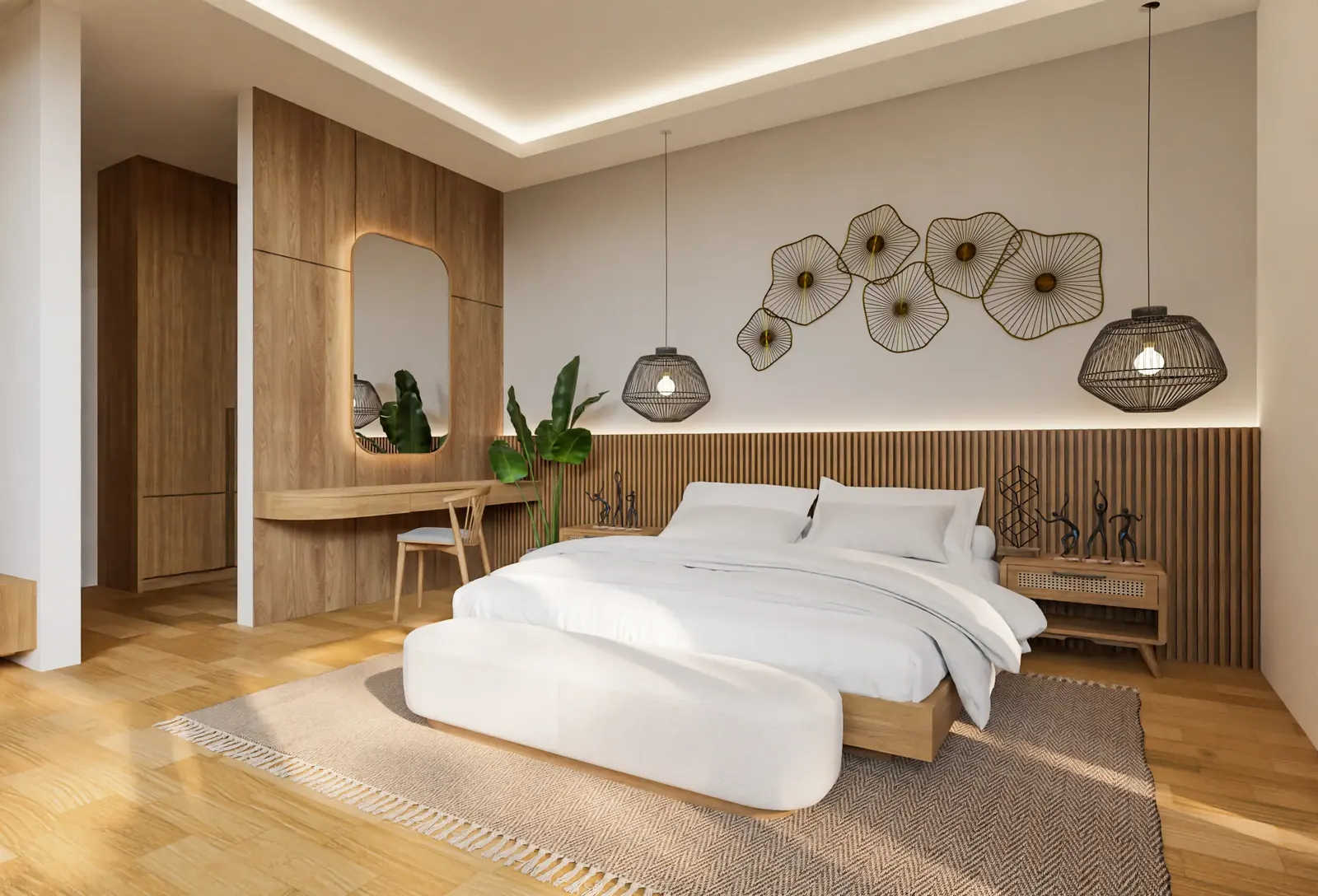
Wood, stone, and bamboo are selected for their performance in tropical environments, their aging characteristics, and their connection to the local building tradition. Material choice is functional before aesthetic.
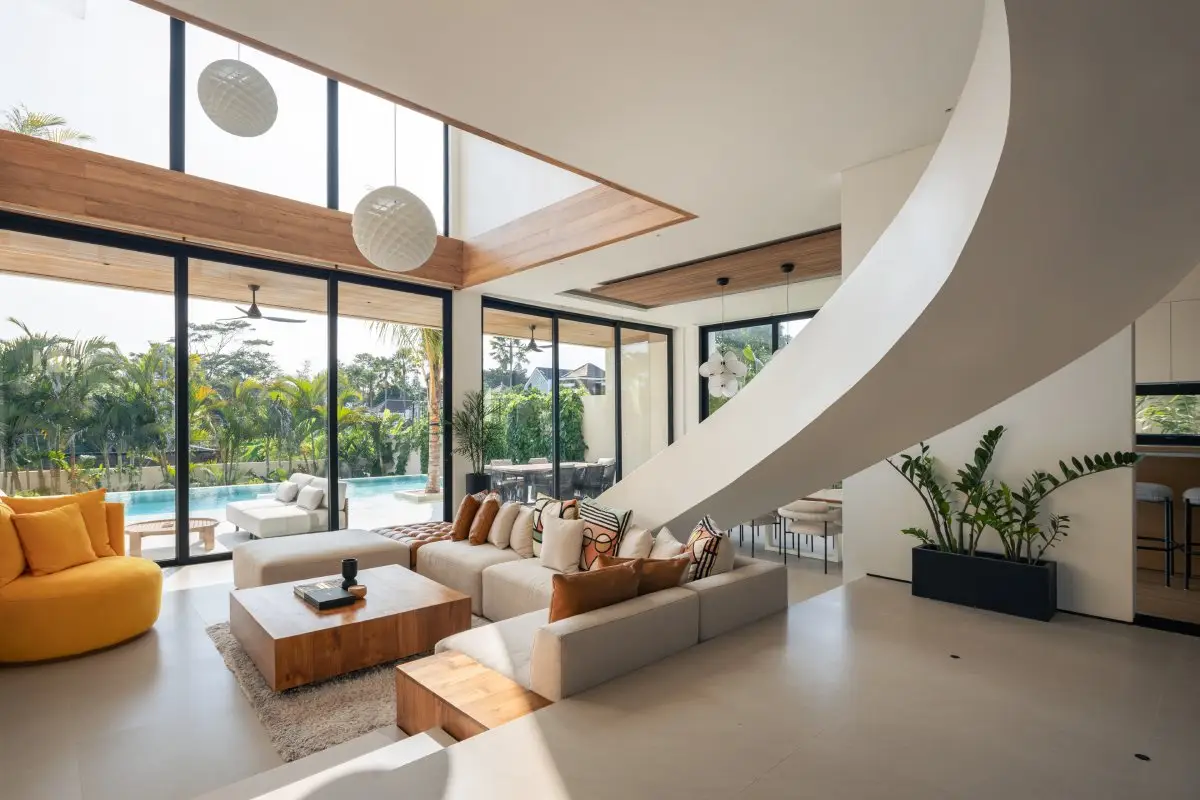
Balinese Design Key Features and Characteristics
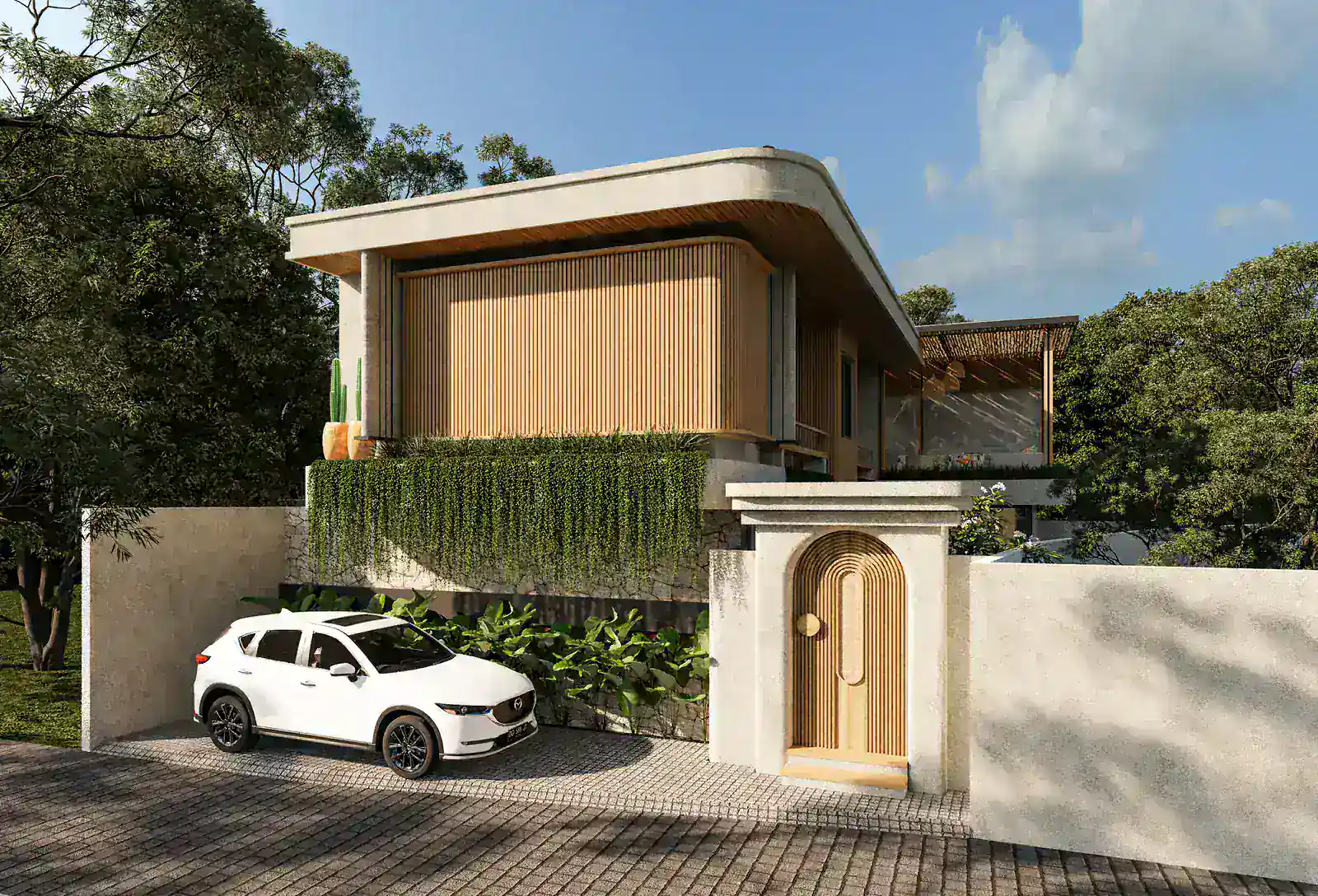
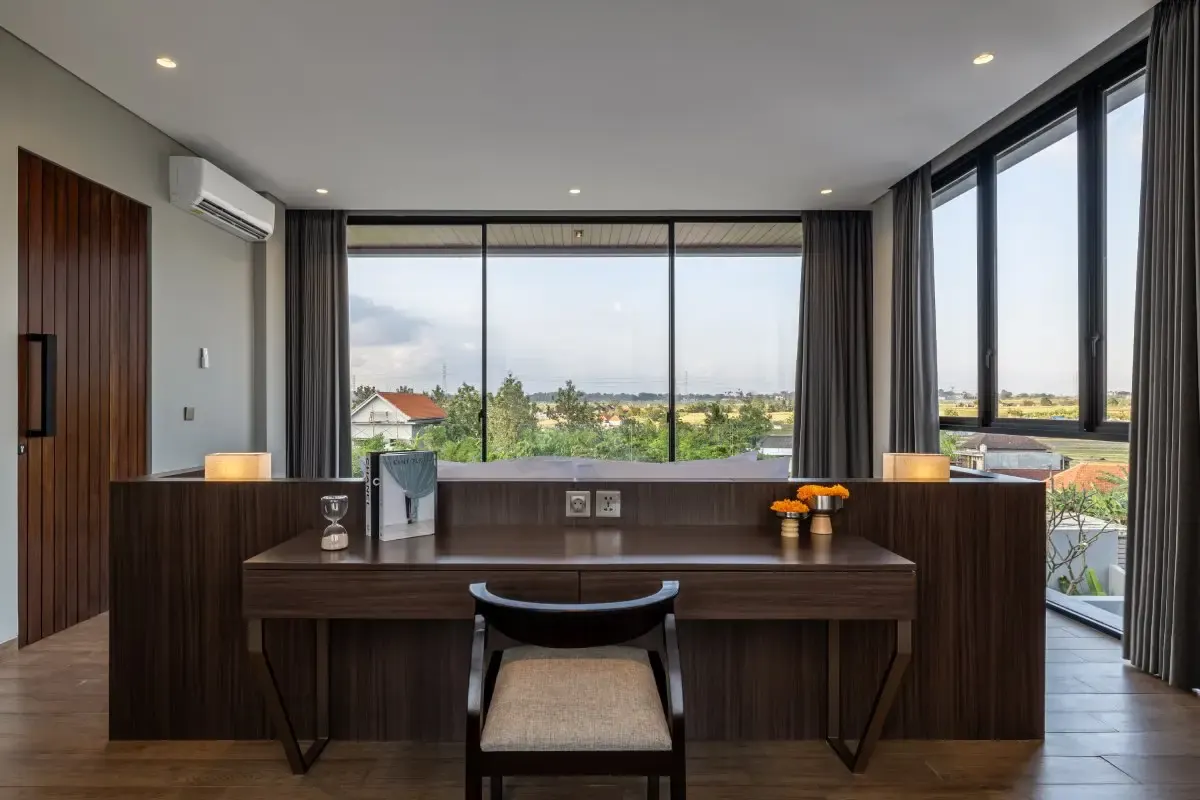
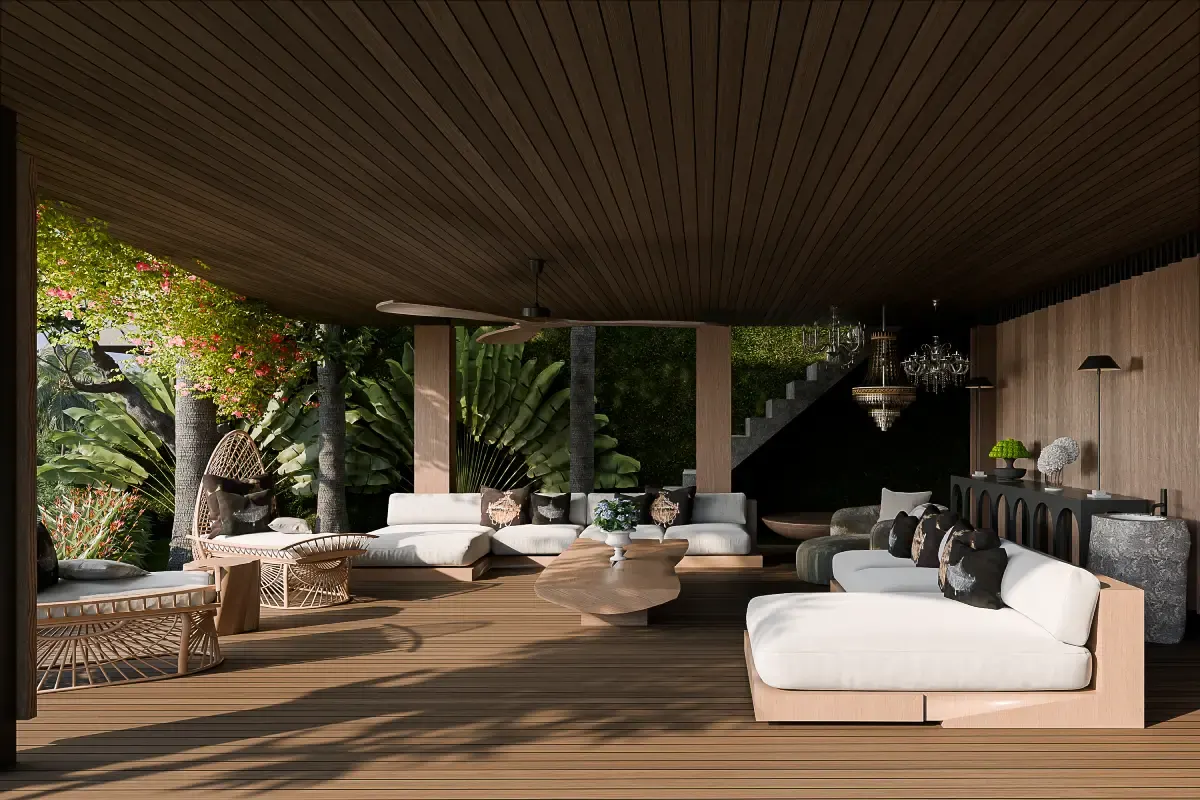
Traditional Balinese Elements
Natural Materials and Textures
Open-Concept Living Spaces
Connection to Nature
How We Work
Personal Connection
Each project begins with understanding the site, the program, and the context. Design follows from there.
Purposeful Layout
Rooms, transitions, and thresholds planned with spatial intention. Circulation and program organized around function.
Personalized Design
Material selection, spatial proportions, and detailing respond to each project's specific context and requirements.
Design Studies
Feedback
"They understood the vision for Casa Infinito and executed it with precision and attention to detail."

"Consistent quality across all 7 villas. Strong understanding of Balinese architectural language."

"Djelantik House balances modern functionality with traditional Balinese design sensibility."

Frequently Asked Questions
What is Bali Tropical Modern architecture?
Bali Tropical Modern architecture is a design philosophy rooted in Tri Hita Karana, the harmony between humans, nature, and the divine. It features open-concept living, natural materials like wood and stone, tropical climate strategies, and spiritual elements. Lumbung Architect blends these traditional principles with contemporary design across projects in Bali, Jakarta, Thailand, and beyond.
How much does it cost to build a villa in Bali?
Villa construction costs in Bali range from $800-$2,500 per square meter depending on design complexity, materials, and finish level. A typical 300sqm luxury villa costs between $250,000-$750,000. Contact Lumbung Architect at our Bali, Jakarta, or Thailand office for a detailed estimate tailored to your project.
What makes Lumbung Architect different from other architecture firms?
Lumbung Architect has 16+ years of international experience, 200+ completed projects across 4 countries, a team of 67 professionals, offices in Bali, Jakarta, and Thailand, and multiple international awards including Asia's Best Firm in Architecture Design 2024 and Asia Pacific Property Awards 2024-2025.
Does Lumbung Architect work with international clients?
Yes. With offices in Bali (HQ), Jakarta, and Thailand, Lumbung Architect serves clients worldwide. We have completed projects in Indonesia, Nigeria, and the Bahamas. We handle the full design process including permits, construction supervision, and local regulatory compliance in each country.
What is Tri Hita Karana in architecture?
Tri Hita Karana is a Hindu philosophy from Bali meaning "three causes of well-being": harmony with God (Parahyangan), harmony with people (Pawongan), and harmony with nature (Palemahan). In architecture, it guides spatial design to create buildings that respect spiritual traditions, community needs, and the natural environment. Lumbung Architect applies this philosophy across all our international projects.